

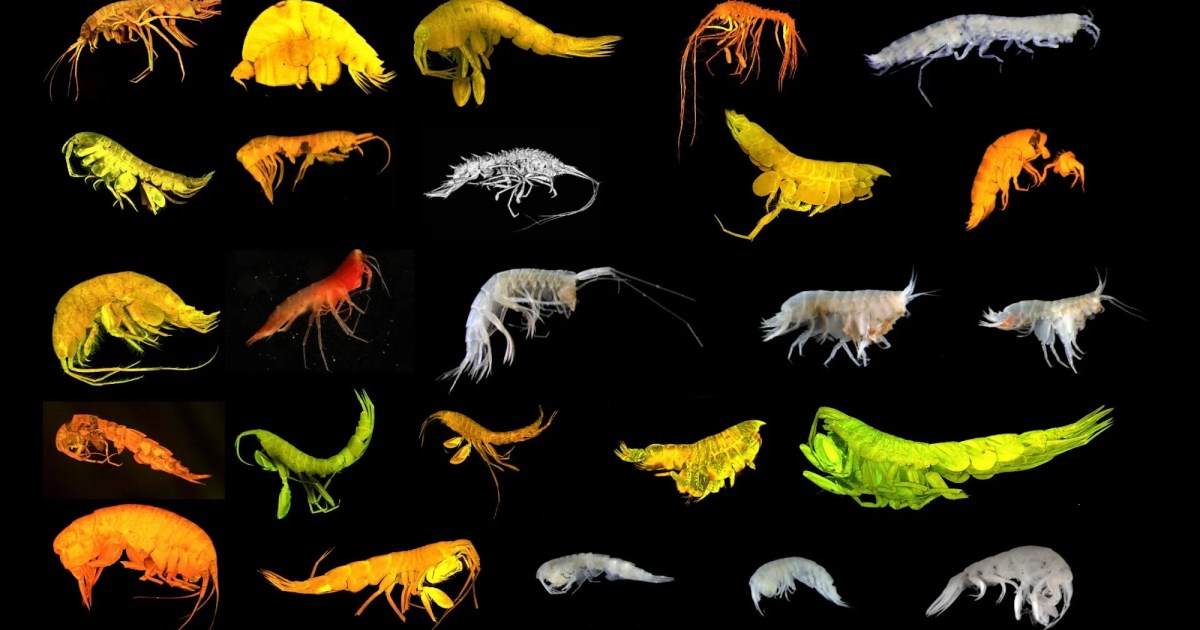
Beneath the neon lights of a laser-scanning microscope, newly classified species glow in vivid greens and oranges—a far cry from the pitch-black abyss of their natural ocean floor.
Researchers have identified 24 new deep-sea creatures and a whole new evolutionary branch in the Clarion Clipperton Zone (CCZ), a wide swath of ocean between Hawaii and Mexico. The findings surface as the Trump administration, via a January mandate from the National Oceanic and Atmospheric Administration, has fast-tracked permits for deep sea mining in that zone, one of the planet’s richest rare-earth metal regions.
The identification of a new branch of life underscores the stakes of an international regulatory vacuum: Mining might be allowed to occur before scientists even have the chance to name species that call the seabed home.
Tammy Horton, co-author and researcher at the National Oceanography Centre, Southampton, explained the significance of a new evolutionary branch this way: “If you imagine that on planet Earth, we know about carnivorous mammals, we know that bears exist and we know that the families of cats exist, it would be like finding dogs.”
“But how do they taste satueed in butter?”
(Sorry. I’m hungry)
