

Emergency first responders in El-Obeid today describe a nightmarish situation in which shortages of fuel have left them unable to reach civilians in distress, while drone attacks on major roads make it treacherous for ambulances to travel even when fuel is available.
“Before, we used to move the moment we got a call. Now the first question we ask is: is the road safe?” said an ambulance driver at a health facility in the city, who asked not to be named for security reasons. “Often we delay or take longer routes to avoid areas that might be targeted [by airstrikes], which means the patient waits longer before help arrives.”
After the RSF stepped up its strikes on fuel-stations in June, it cut even deeper into critical energy supplies for the city’s hospitals, said an emergency room nurse at Al-Daman Hospital, who asked not to be named for her personal safety. “We now start every shift not knowing whether the power will hold, or whether there’s enough fuel to run the generator until the end of the day,” she said. “These are questions that weren’t part of our job before the war.”
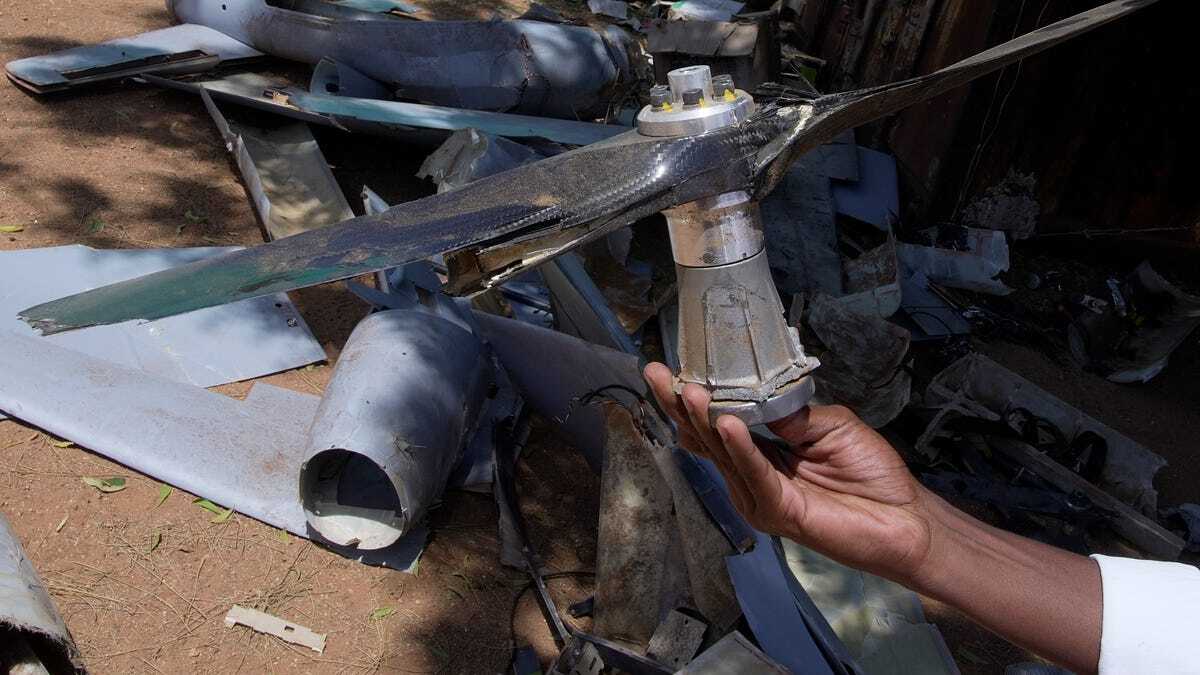
The drones themselves come from outside Sudan. According to international investigations, the RSF’s fleet—including Chinese-made CH-95 and Wing Loong II drones—reaches the battlefield through a UAE-linked supply network routed through Chad and Libya.