

Tennessee officials on Thursday called off the lethal injection of Tony Carruthers, who was convicted of kidnapping and murdering three people in 1994, after his executioners tried and failed for over an hour to establish an intravenous line. Gov. Bill Lee announced soon afterward that the state would not try again for at least a year.
In a written statement, the Tennessee Department of Corrections said medical personnel had quickly established a primary IV line but were unable to find a suitable vein for a backup line as required by the state’s execution protocol. Efforts to insert a central line also failed, and officials called off the execution.
Maria DeLiberato, an American Civil Liberties Union attorney representing Carruthers, said she saw him “wincing and groaning” while officials attempted to find a vein, calling it “horrible” to watch. An Associated Press journalist was in attendance to observe the execution, but a state rule contested by news organizations prohibits media witnesses from observing the IV insertion.
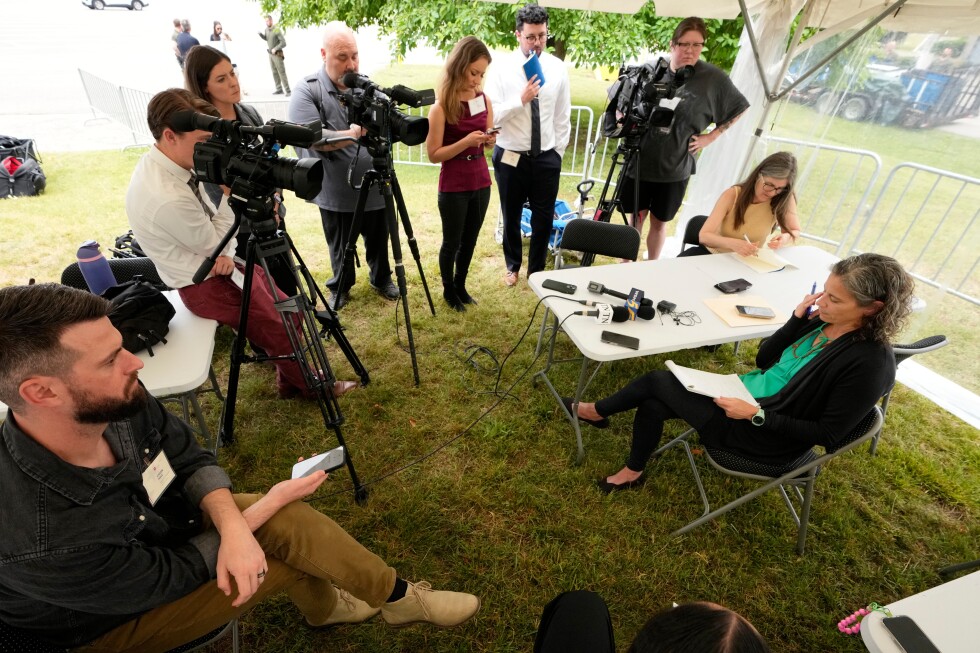
DeLiberato was addressing reporters when the governor’s office issued the reprieve. She began crying.
“That’s amazing!” she said. “I’m so grateful!”
Since 2009, six other prisoners in three states — Alabama, Idaho and Ohio — have had executions halted because of difficulties establishing an IV, according to the Death Penalty Information Center. In Idaho in 2024, medical team members tried eight times to establish a line to execute Thomas Creech, one of the nation’s longest-serving death row inmates, before calling it off. Idaho Gov. Brad Little subsequently signed a law making firing squad the state’s primary method of execution.
The US is the ONLY country in the West with death penalty.