Reminds me of the COVID relief payment simulated phishing emails that made headlines. People complained that they had to take additional training after clicking some “Click here to retrieve your COVID relief funds” link during the early days of the pandemic that turned out to actually just be their corporate IT team sending a simulated phishing attack. They expected that this was the official government relief page that they have been waiting for, and were excited for the financial relief. Many people claimed that it was not okay do “prey” on people’s desperation at this point, but these simulated phishing emails were just getting people wary of the real thing. Actual scammers who were actually attempting to steal your money were absolutely sending these types of COVID relief phishing emails for real. So, these simulated emails were just preparing users in case one if the real spam emails happened to slip through the filters.
People get mad when they feel like they weren’t ready for training, but to your point, that’s why we train. To make you more aware when the real thing comes. Check all of your links. Verify it’s real before just clicking through.
The issue has come from some companies threatening jobs when people don’t perform properly. I would love it if people saw this as just training and not a personal attack. You fell for the trick now how do you not get tricked next time? It might help if we did a quarterly report and put it on the intranet for people to see how many got clicked. Don’t make it a Wall-of-Shame, but a report to see how good things have been going. Put out sample emails that were the trickiest and what were the tells. Make Security a thing that is a growth aspect, not a shaming tactic.
Yeah, at my last job we had fake phishing emails and if you clicked the link on them then the IT manager would see your name lit up on a dashboard. They were sent out randomly like a regular phishing email. The point is it’s a pop quiz.
My last job posted the failure rate for every single phishing simulation, and nobody ever felt called out as a result.
We had between 1-10% fail any given test, but our ceo got phished successfully by an actual scam, and that had ripple effects because his account was compromised and sent out further phishing. So we all sort of knew that even those at the top fall for it, which made people who failed feel better.
The thing that annoys me is that I still need to be careful when clicking on links in emails to my work address, despite having my web browser locked down to the nines. I just wanted to see what the page looked like, security peeps! I’m not a risk! I knew what it was!
Still had to go through additional training, mutter grumble…


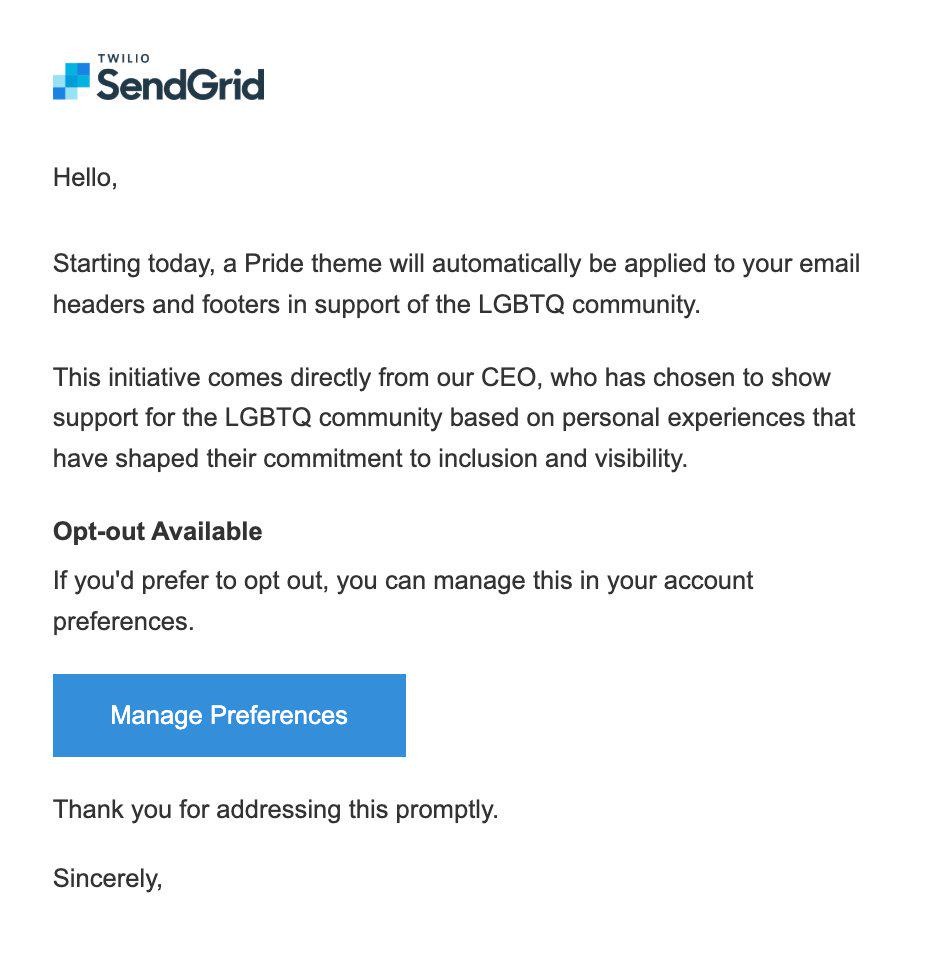
People don’t think too good when they’re emotional, so this would be very effective.
Reminds me of the COVID relief payment simulated phishing emails that made headlines. People complained that they had to take additional training after clicking some “Click here to retrieve your COVID relief funds” link during the early days of the pandemic that turned out to actually just be their corporate IT team sending a simulated phishing attack. They expected that this was the official government relief page that they have been waiting for, and were excited for the financial relief. Many people claimed that it was not okay do “prey” on people’s desperation at this point, but these simulated phishing emails were just getting people wary of the real thing. Actual scammers who were actually attempting to steal your money were absolutely sending these types of COVID relief phishing emails for real. So, these simulated emails were just preparing users in case one if the real spam emails happened to slip through the filters.
People get mad when they feel like they weren’t ready for training, but to your point, that’s why we train. To make you more aware when the real thing comes. Check all of your links. Verify it’s real before just clicking through.
The issue has come from some companies threatening jobs when people don’t perform properly. I would love it if people saw this as just training and not a personal attack. You fell for the trick now how do you not get tricked next time? It might help if we did a quarterly report and put it on the intranet for people to see how many got clicked. Don’t make it a Wall-of-Shame, but a report to see how good things have been going. Put out sample emails that were the trickiest and what were the tells. Make Security a thing that is a growth aspect, not a shaming tactic.
Yeah, at my last job we had fake phishing emails and if you clicked the link on them then the IT manager would see your name lit up on a dashboard. They were sent out randomly like a regular phishing email. The point is it’s a pop quiz.
My last job posted the failure rate for every single phishing simulation, and nobody ever felt called out as a result.
We had between 1-10% fail any given test, but our ceo got phished successfully by an actual scam, and that had ripple effects because his account was compromised and sent out further phishing. So we all sort of knew that even those at the top fall for it, which made people who failed feel better.
The thing that annoys me is that I still need to be careful when clicking on links in emails to my work address, despite having my web browser locked down to the nines. I just wanted to see what the page looked like, security peeps! I’m not a risk! I knew what it was!
Still had to go through additional training, mutter grumble…
Phishing attempts are already effective. It’s scary how often people fall for it.