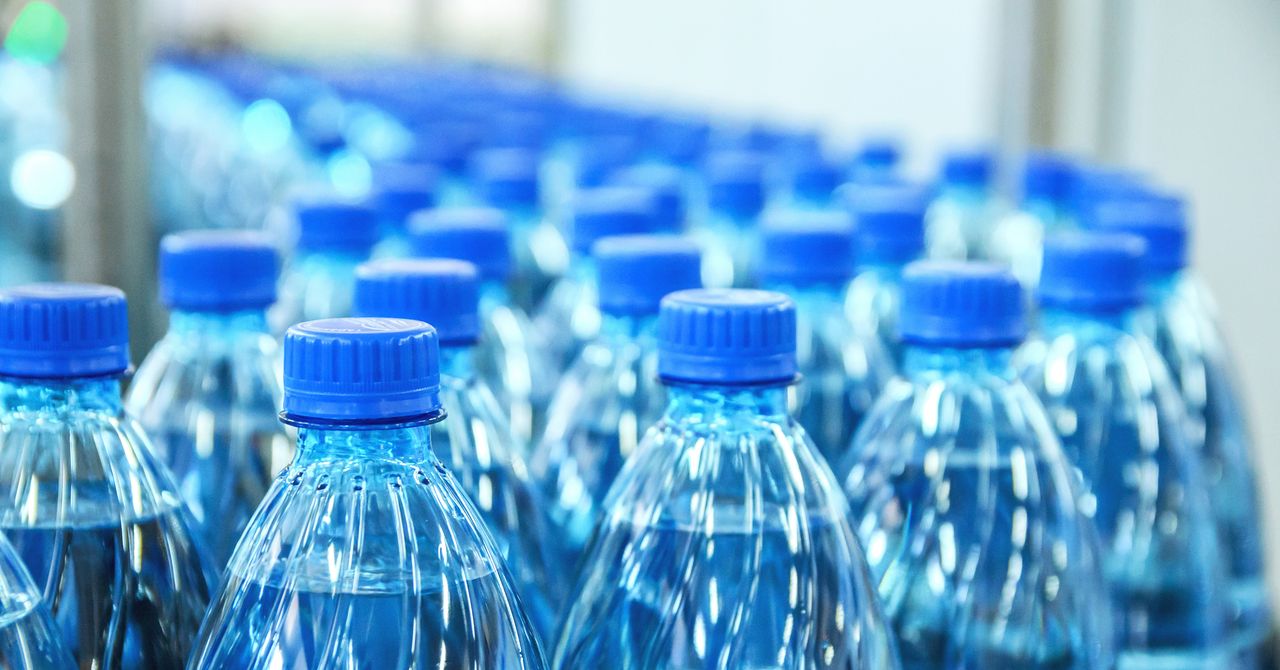
Drinking water in plastic bottles contains countless particles too small to see. New research finds that people who drink water from them on a daily basis ingest far more microplastics than those who don’t.
Yes, in a lot of places, the municipal water is perfectly fine to drink. We penalize people who contaminate the groundwater, and the infrastructure is maintained well enough.
We still have water main breaks that result in a boil-water order, because a break in the pipe means bacteria could enter, but I’ve never had one in any place I’ve lived in the US.
I’m aware of how the system works, just not how common it is. Although I don’t see how boiling would help if some pesticides or industrial chemicals get into the water supply.
To me it looks like you’re all washing floors and filling toilets and watering golf courses with precious drinking water.
I can’t specifically speak to watering golf courses as I’m not a golfsman (or whatever they’re called) but as far as washing floors and flushing toilets? In the west yes that is precious drinking water.
As you say you’re familiar with how the system works so you understand that it is far cheaper to have one system of infrastructure to deliver water and have all of that water be drinkable rather than have two sets of pipes where one delivers non-potable water for washing and flushing and one for just drinking water.
Is it wasteful to wash and flush with drinking water? Yeah maybe. Is it also wasteful to maintain two sets of infrastructure just to save drinking water? Also yes
To me it looks like you’re all washing floors and filling toilets and watering golf courses with precious drinking water.
As the other person said, yes on the former two, not really on the latter (though there are exceptions).
For an individual, everything is just the one, potable, water supply. Showers, clothes washing, drinking water, lawn watering (though most people don’t water their lawns, it’s expensive and grass grows just fine by itself). It is more complicated and expensive to deal with a secondary water system for homes to have a non-potable water system, so nobody does. One’s water bill is generally the cheapest utility bill.
Fire hydrants hook up to the potable system as well. As that is the only pressurized water that’s really available. Though, some places have taps into lakes and such for when the water system runs dry during large-scale fire-fighting. Think massive forest fires.
Farms, golf courses, data centers, nuclear plants, and other industrial uses generally have a secondary water source that isn’t potable. These are generally lightly treated well, river, or lake water. This is mostly for cost reasons as full water treatment gets pricey when you are using that much water.
Generally, we just plain don’t have water contamination like that. We have enough enforcement of groundwater protection, enough people that care to avoid contamination in the first place, and enough supply from groundwater or snowmelt that even if one source has minor contamination, we can switch to another until it’s remediated or within safe levels.
Which is also why we can afford to use potable water for those purposes. There’s enough of it to go around; it’s not precious here.
Well, except in California and the desert parts of the US, where they’re diverting so much of the Colorado river that the further down the river you go, it gets smaller instead of bigger, until sometimes there’s no river at all.


Yes, in a lot of places, the municipal water is perfectly fine to drink. We penalize people who contaminate the groundwater, and the infrastructure is maintained well enough.
We still have water main breaks that result in a boil-water order, because a break in the pipe means bacteria could enter, but I’ve never had one in any place I’ve lived in the US.
I’m aware of how the system works, just not how common it is. Although I don’t see how boiling would help if some pesticides or industrial chemicals get into the water supply.
To me it looks like you’re all washing floors and filling toilets and watering golf courses with precious drinking water.
I can’t specifically speak to watering golf courses as I’m not a golfsman (or whatever they’re called) but as far as washing floors and flushing toilets? In the west yes that is precious drinking water.
As you say you’re familiar with how the system works so you understand that it is far cheaper to have one system of infrastructure to deliver water and have all of that water be drinkable rather than have two sets of pipes where one delivers non-potable water for washing and flushing and one for just drinking water.
Is it wasteful to wash and flush with drinking water? Yeah maybe. Is it also wasteful to maintain two sets of infrastructure just to save drinking water? Also yes
As the other person said, yes on the former two, not really on the latter (though there are exceptions).
For an individual, everything is just the one, potable, water supply. Showers, clothes washing, drinking water, lawn watering (though most people don’t water their lawns, it’s expensive and grass grows just fine by itself). It is more complicated and expensive to deal with a secondary water system for homes to have a non-potable water system, so nobody does. One’s water bill is generally the cheapest utility bill.
Fire hydrants hook up to the potable system as well. As that is the only pressurized water that’s really available. Though, some places have taps into lakes and such for when the water system runs dry during large-scale fire-fighting. Think massive forest fires.
Farms, golf courses, data centers, nuclear plants, and other industrial uses generally have a secondary water source that isn’t potable. These are generally lightly treated well, river, or lake water. This is mostly for cost reasons as full water treatment gets pricey when you are using that much water.
Generally, we just plain don’t have water contamination like that. We have enough enforcement of groundwater protection, enough people that care to avoid contamination in the first place, and enough supply from groundwater or snowmelt that even if one source has minor contamination, we can switch to another until it’s remediated or within safe levels.
Which is also why we can afford to use potable water for those purposes. There’s enough of it to go around; it’s not precious here.
Well, except in California and the desert parts of the US, where they’re diverting so much of the Colorado river that the further down the river you go, it gets smaller instead of bigger, until sometimes there’s no river at all.