Small scale permaculture nursery in Maine, education enthusiast, and usually verbose.
- 123 Posts
- 458 Comments

 2·2 months ago
I’ve never grown in those zones, but this page has a few tables of information that should help you out. Outside of the suggestions from A&M, figure out how many days you have til your average frost date and anything that takes fewer days to maturity is fair game
I’ve been playing the coop online with a buddy and having a blast; from what I can tell the procgen is pretty much for raw material placement and the layout of some of the ‘naturally’ occurring tunnels and caverns.
Everything else feels stylized and I happen to like the art style, so it all feels handcrafted to me. If you’re referring to the pool of craftable items, there’s a slew of things to make but they’re all very similarly themed which makes sense given that they’re all 3d printed planetary exploration tools.

I don’t know why I didn’t think of it earlier, but what about Astroneer? It’s closer to an adventure sim with rpg elements to it, but it’s entirely about exploration and crafting all of your adventuring gear and your home base(s).
+1 for the monster hunter games, everything is crafted from monsters you hunt and there are tons of ways to customize your gameplay based on your play style and what you craft.
The Etrian Odyssey series also bases what you can craft on what you can find, but crafting is less in-depth than MH. That said, you also make all the maps which is a huge bonus in my book
A general rule of thumb is aged 1 year, especially if you don’t know what they use or if they board/breed horses since there’s a lot of variability there. If the part of the pile you’re digging into had a good worm population that’s a good sign for that section, but if you get into another area and the worms vanish then don’t include that in what you take
That sounds wonderful! I really enjoy letting our lettuce cross and seeing the patterns of the next generation.
Got a horse farm nearby
Always ask what their deworming schedule is like, or how long they’ve aged their manure. It’s good stuff, but even a few ppm of common deworming treatments can persist and cause problems for gardens and especially worm bins
Have you tried telling your sage how proud of the fig you are? That and some additional nitrogen inputs might get them to bounce back too
Huzzah! That sounds like such a neat tree!
That’s my misunderstanding. Didn’t know people could follow, but here is a splendid dagger I was able to photograph:
I’m up to 215 observations and 136 identified species 😁
I hear you, I try to get pictures of every critter my nearsighted self can see. I’ve gotten good close-ups of a few Ichneumonid wasps and I think two or three different cuckoo wasps (Chrysididae), but our state is awash in hoverfly species too. I did try to get a good close up of them but the resolution blew out to the point that iNaturalist didn’t see anything. We’re LLYLCK on iNat if you’re curious to see who we’ve been able to spot
That’s possible, but a quick look through the members of that family in our area suggests that they’re larger than the individuals pictured here. Each of the flowers in the picture is about the size of the head of a pin. Either way thank you for introducing me to a new term
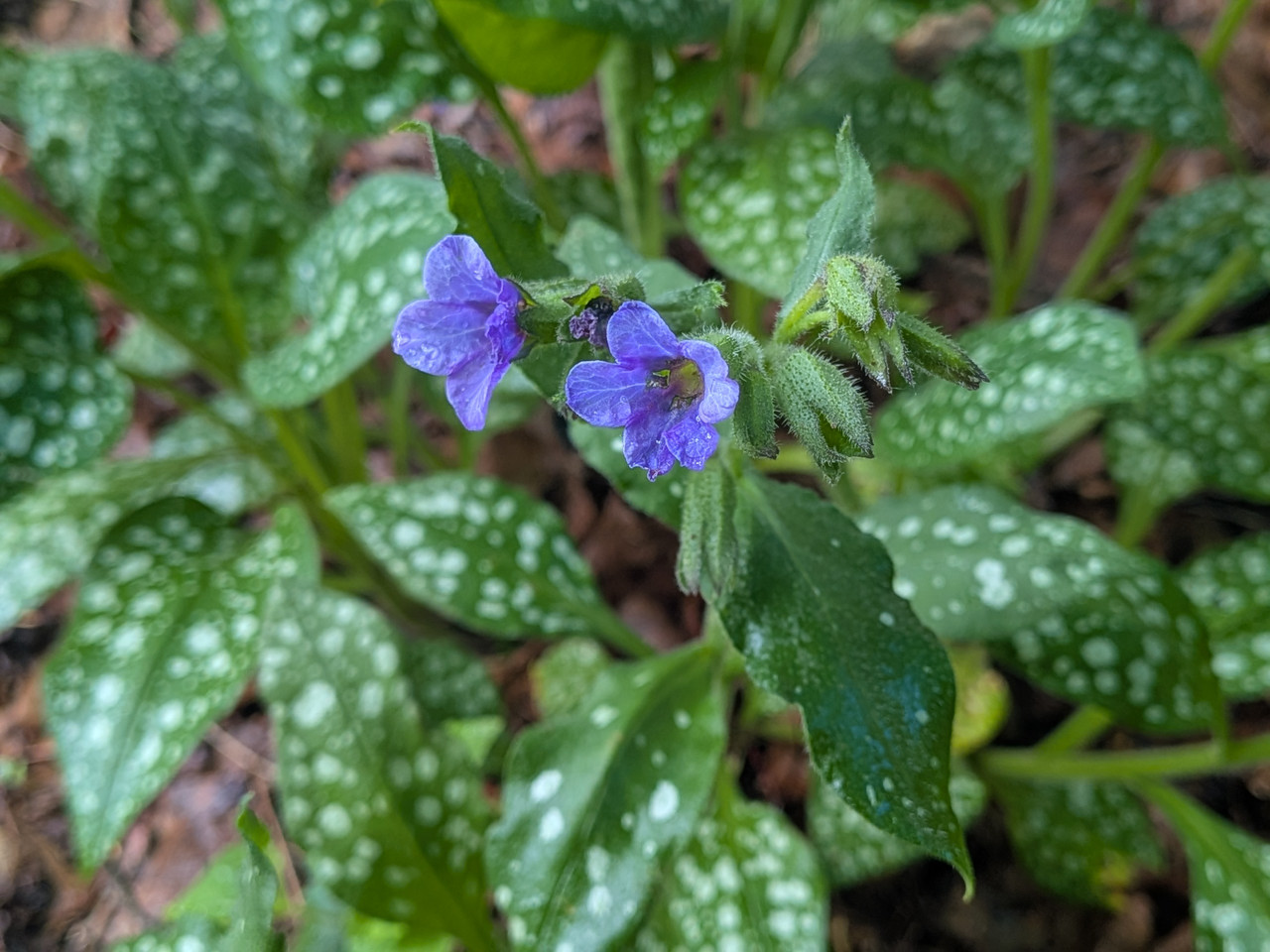
They’re both visually and olfactorily beautiful and are a lovely native of the northeastern US
They’re (I think) some member of Syrphidae but I do not know specifically.
eta: “I think” because @JohnnyEnzyme@piefed.social introduced me to a new word
This native plant finder can help you find native plants that will attract the insects and other life you’re hoping to entice. The associations listed are the research results of Doug Tallamy and other researchers. And as Tallamy says, plant for specialist insects and you’ll attract generalists as well.
Off the top of my head, plants like canadian ginger, serviceberries, purple flowering raspberries (R. odoratus), and members of the worts can do a lot of restoration work in moderate to deep shade. Having a patch of grass that doesn’t get mowed is a huge boon to many insects, as is leaving any mowed grass clippings around other plants as mulch. Lightning bugs in particular require grass debris or patches where it got so long it fell over to complete their life cycle.
My favorite wasps are the wood-boring parasitoid varieties. Ovipositors twice as long as the rest of their bodies, and they drill holes in trees and logs to get to the grubs in the wood to lay an egg. They’re incredibly chill to be around and tons of fun to watch while they work

Our demo/reno that was supposed to start a month ago is due to start on Monday of next week… 😑
Turns out code enforcement gave us incorrect and incomplete information, then waited til the last day before his two week vacation to inform us that we needed to get a variance, since our house was built nearly twenty years before the town adopted zoning codes (no “grandfathering” here). Then he gave our contractor the wrong appeal form, which caused a ruckus at the appeal meeting. After the appeal was successful, he told our guy that literally anyone in town could appeal our variance in court (that’s not how it works). So our guy is spooked and drew up indemnity paperwork in case an impossible thing happens and now we’re five weeks behind schedule.
Bright side, almost everyone on our dead end street wrote very kind letters of support for us and our appeal was successful and our contractor has all of our permits in hand. I’ve also been asked by two different board members of our local land trust to participate in an educational program they’re launching centered on native plants, biodiversity, and conservation efforts anyone can do with just a few plants. And someone at my Sunday market called me “the real deal” while telling his friend to also buy some plants from me (he came back later to give me some of his own plants for the sake of genetic diversity.
Oh, and we raised over a thousand dollars for our town’s library with this past weekend’s plant sale. “We”, I should mention, is myself and all the wonderful people who donated plants and volunteered their time to help folks pick out plants for their gardens and give planting advice.

Welcome to parenthood! Sleep deprivation really does suck, but it will pass. It’ll come back a few times, but it gets better. Stay focused on the cuteness and the joy of showing them things and every day will be better than the temporary struggles 💕
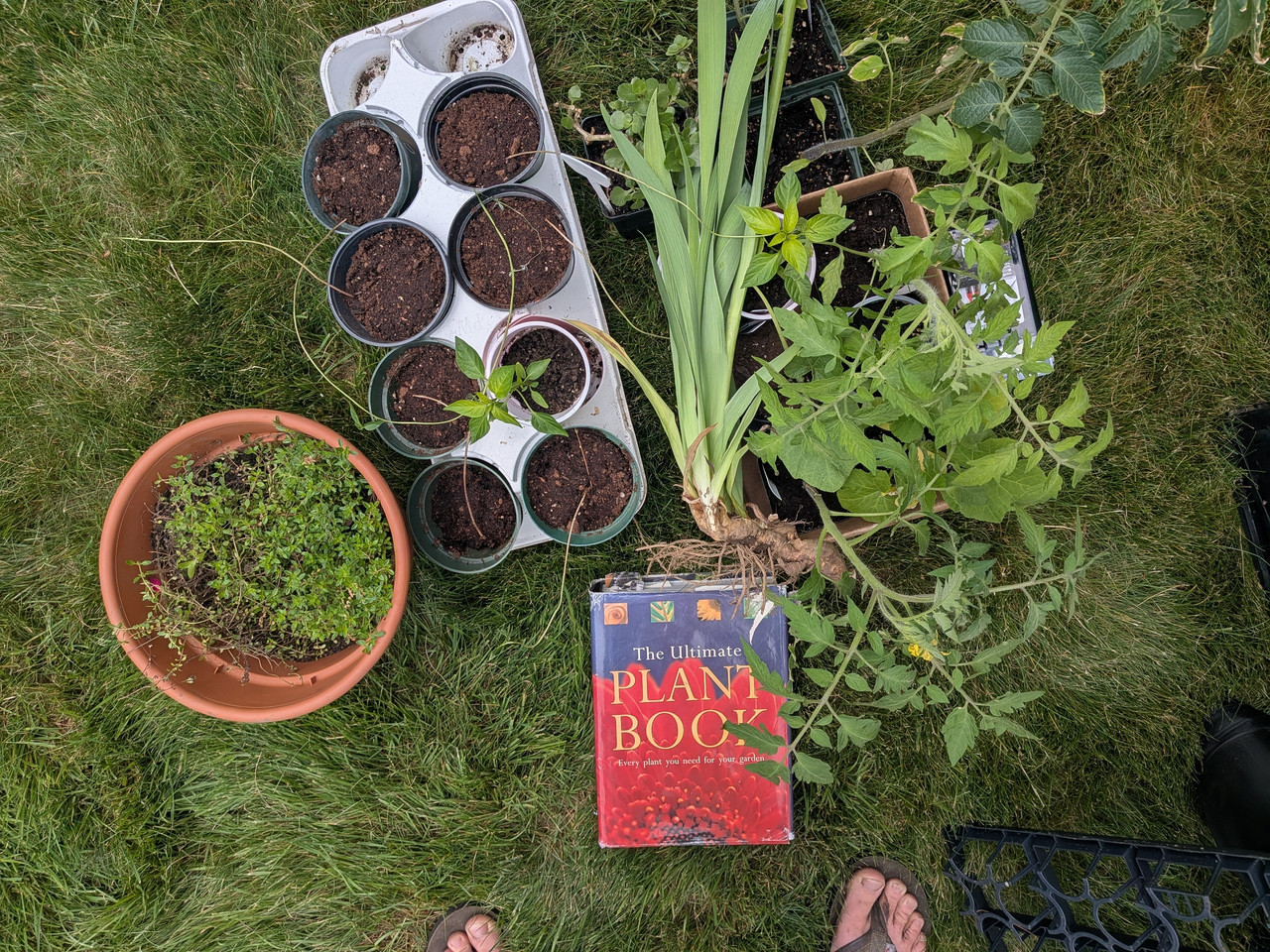
Couple extra tomato varieties I hadn’t grown for the season, some peppers to replace my zapped ones, a white re-blooming iris, several pussy willows (I’m up to four species now), lemon thyme, a kalanchoe (send help), and a 1024 page book. The white tray is american groundnut from my gardens and no one was interested in them 🤷

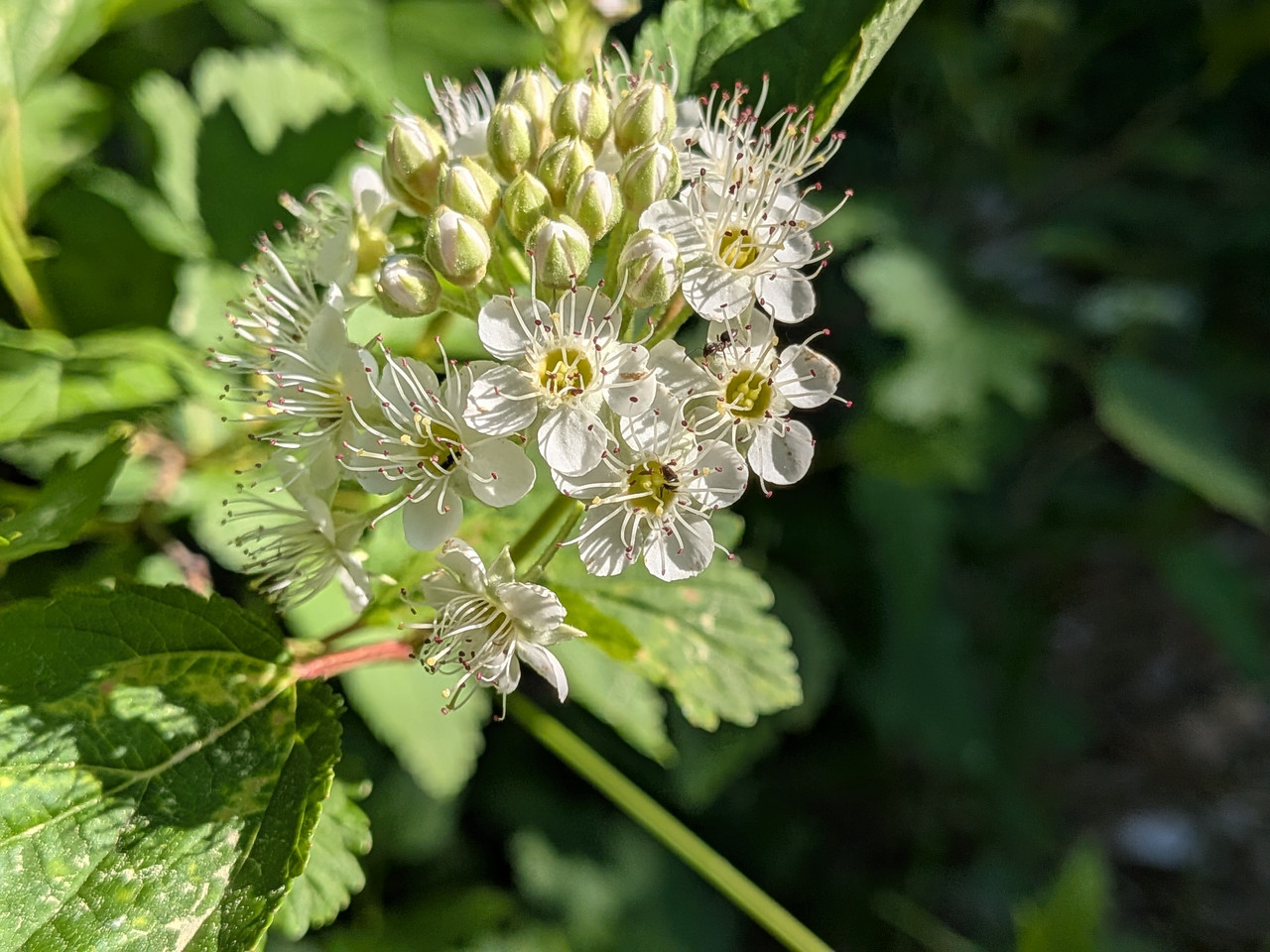
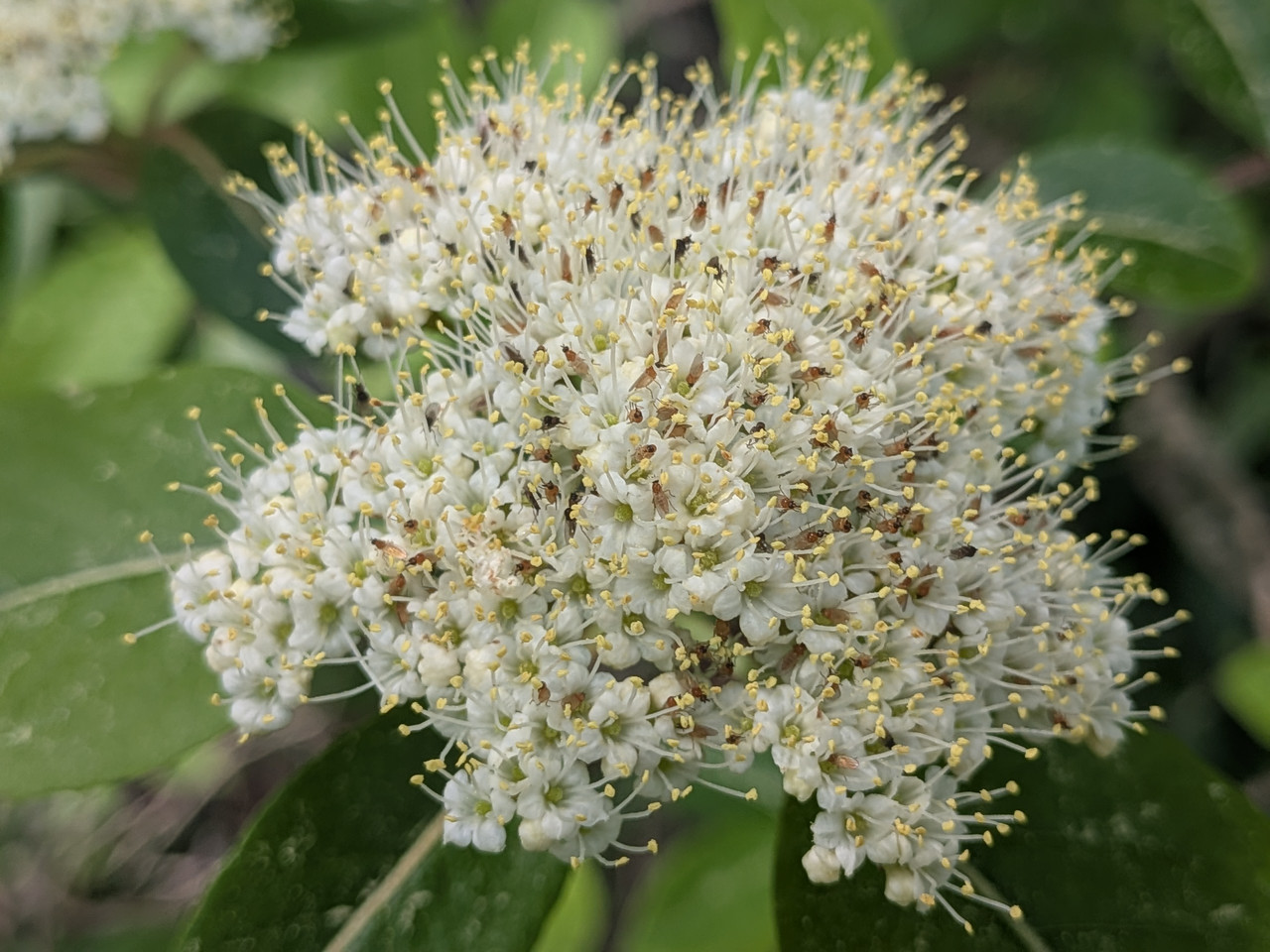
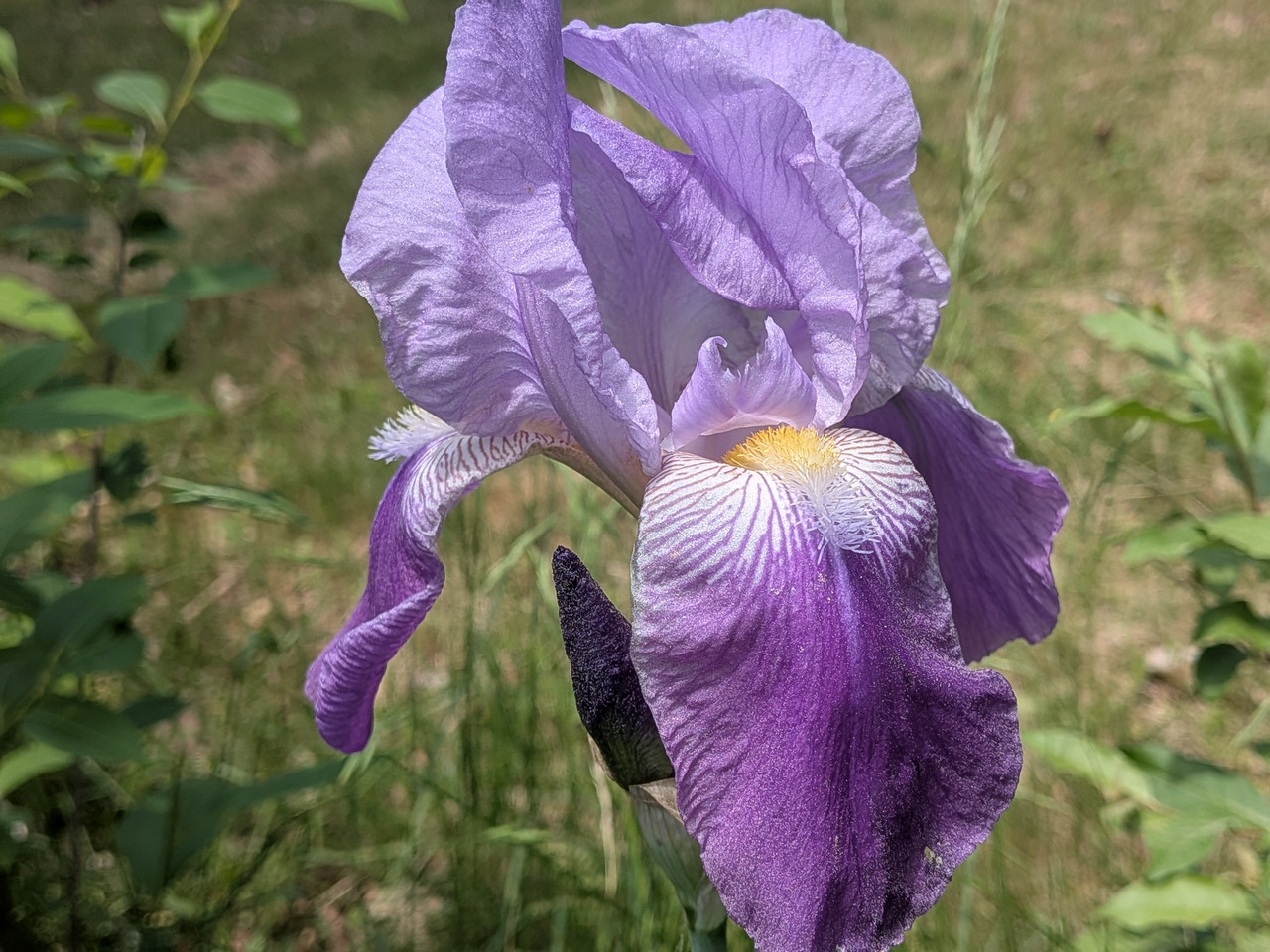
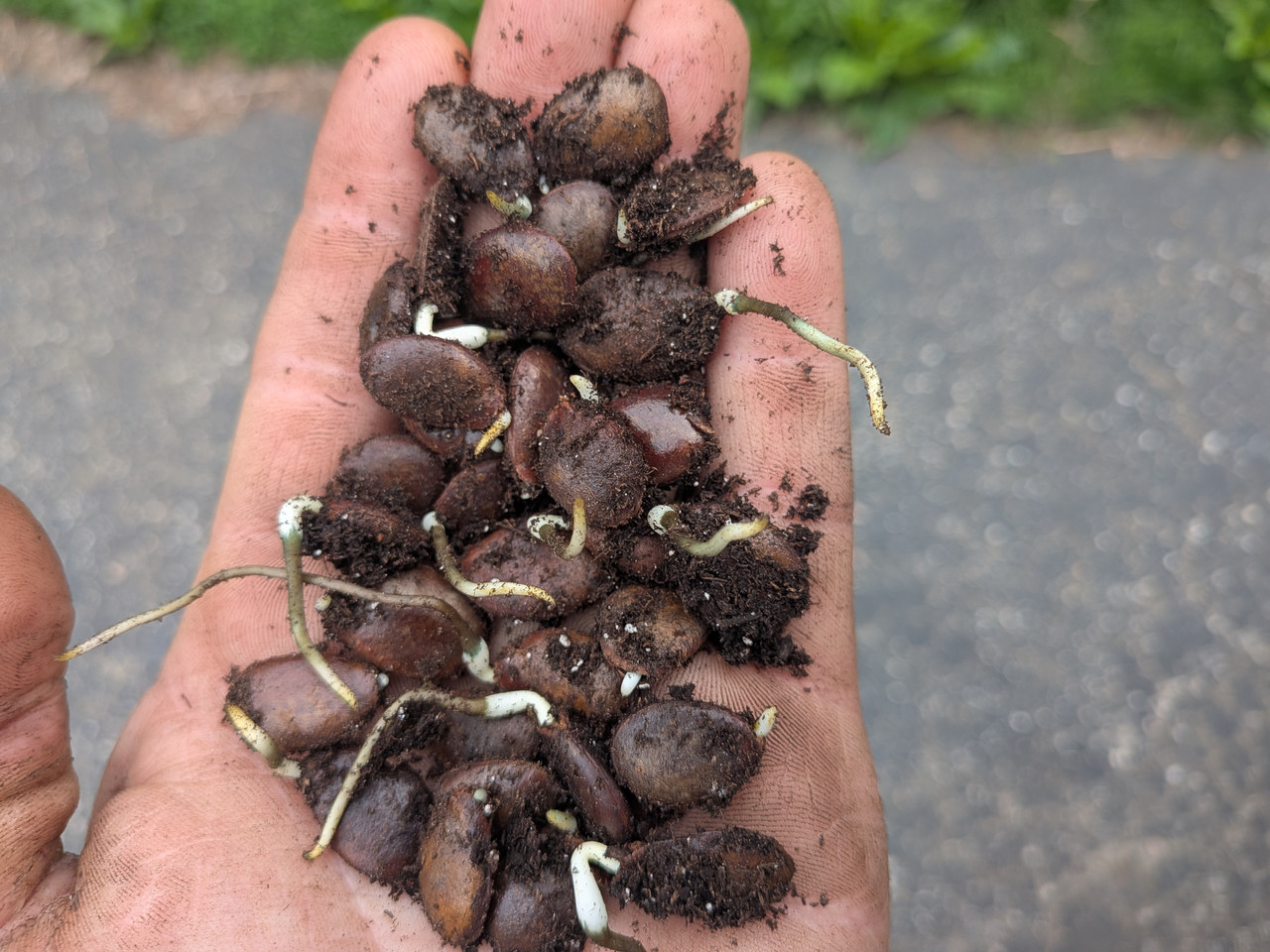
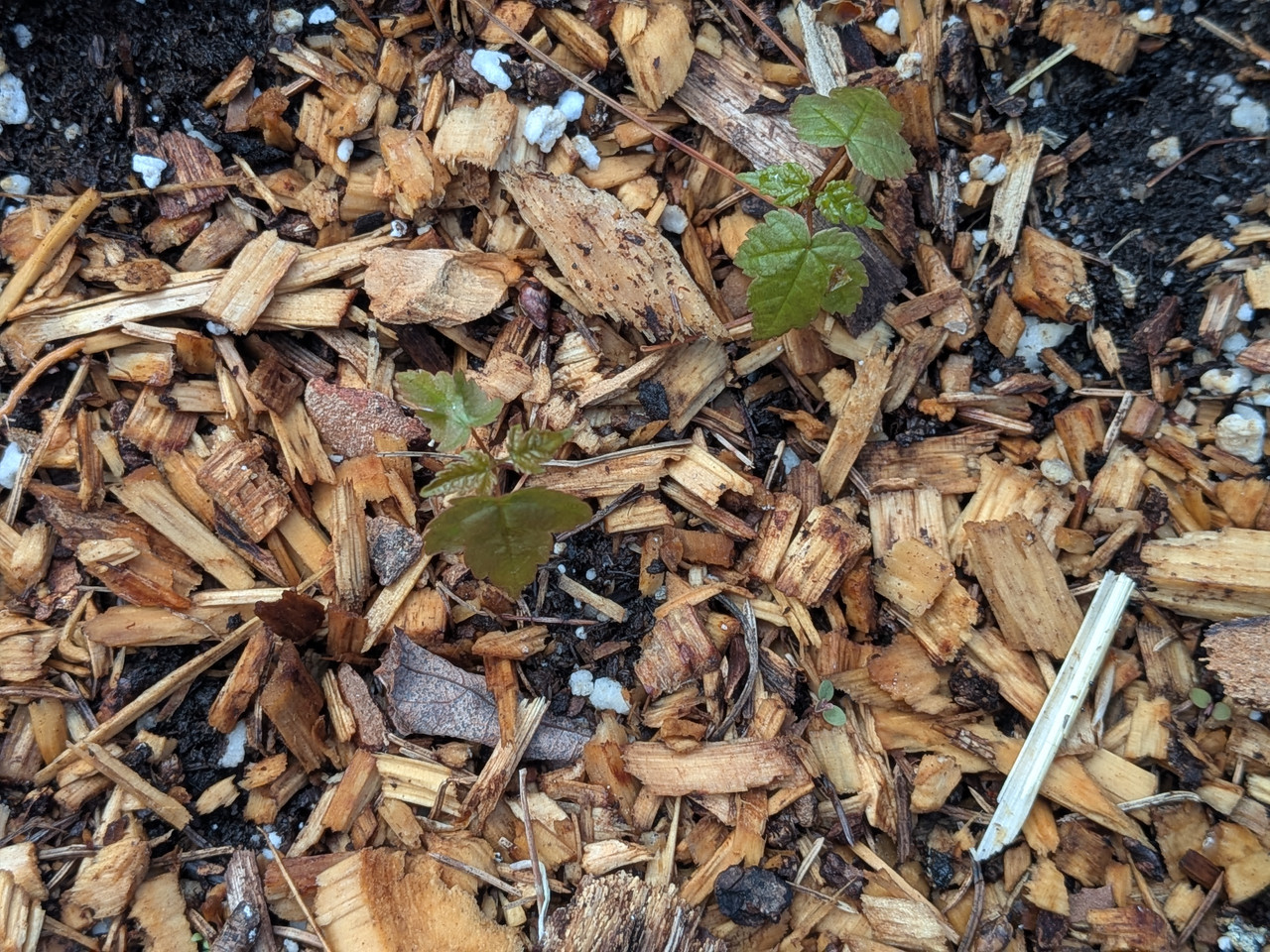
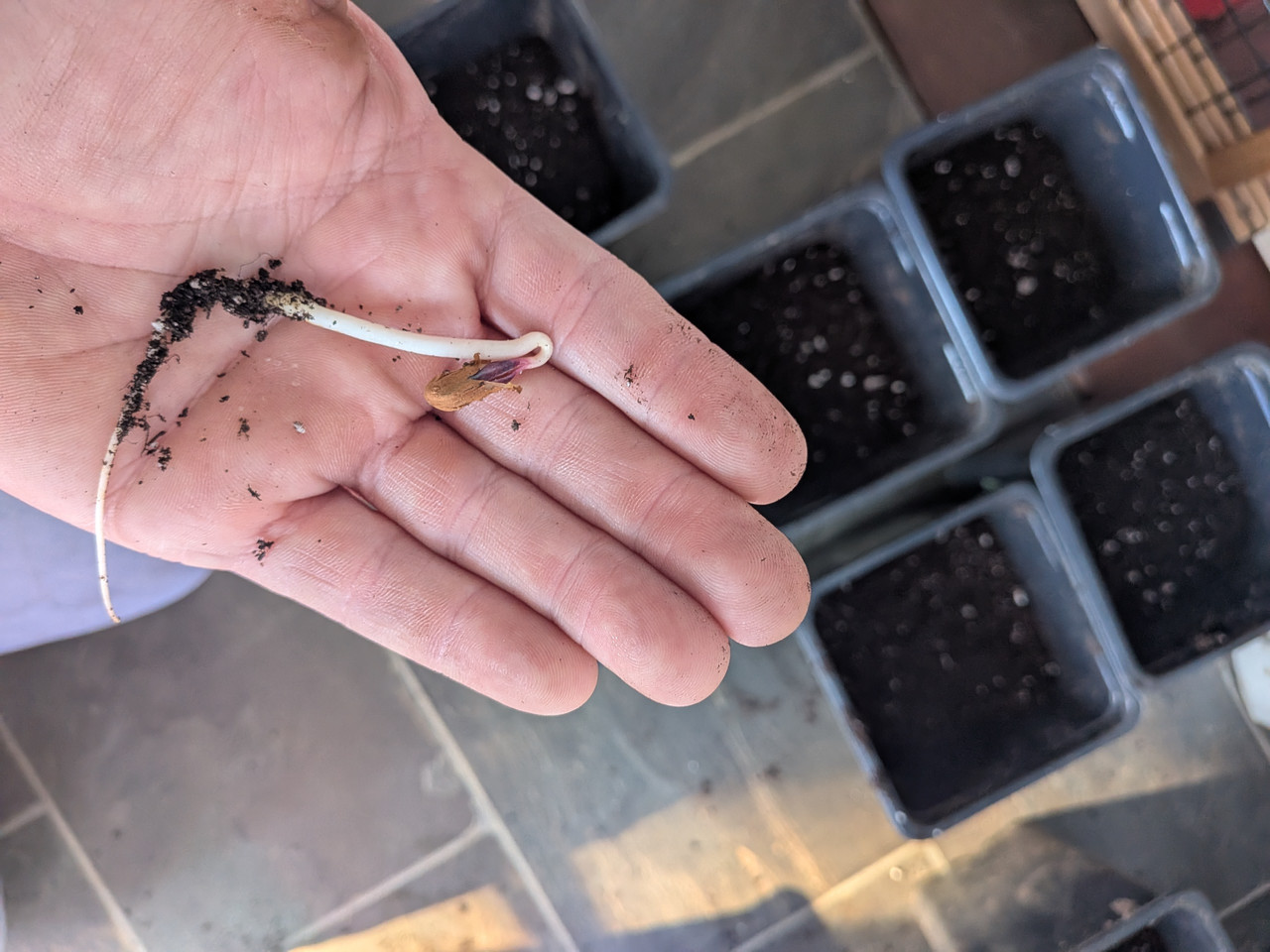


Yes, we have to cover things pretty consistently when they’re first sprouting. Cardinals, tanagers, and sparrows seem to love pulling young plants out. There’s usually less interest after a week or so, depending on how quickly the sprouts grow.