

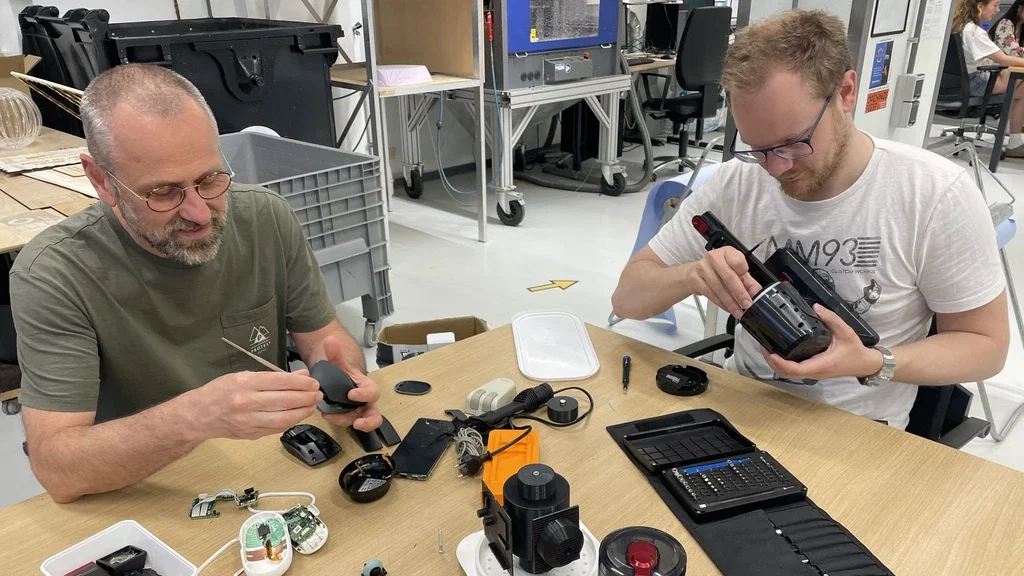
The products covered by the obligation to repair currently include:
- washing machines and washer-dryers
- dishwashers
- refrigerators
- electronic displays
- welding equipment
- servers and data storage products
- mobile phones, cordless phones and tablets
- tumble dryers
- e-bikes and e-scooters batteries (from 18 February 2027)
- local space heaters
You are not giving a reason for your statement. The owner is the one that bought a device. The sole arbiter about what a device should do or shouldn’t do. The person responsible of the device. The owner must trust their device in order for the device to be trusted. It doesn’t matter what if other people do or do not trust that device, they are not the owners. They should take care to protect their own data on their own devices.
The reason is obvious, which is why I didn’t think I had to say it lol
Imagine if you went to work at a bank in IT for example. They issue you a laptop. You go “oh no it’s ok I’ll use my own, I assure you it’s secure and safe”.
You connect to their network and instantly their network is compromised, every device on the whole network gets a cryptolocker virus.
You said it was secure though, so how did this happen?
You can trust it all you want, but other systems absolutely do not have to, and anything that requires security assurances will not and should not trust it. The device owners word/assurance means nothing.
Who is the owner of that device? The Bank.
Who is the owner of that network? The Bank.
So they are the arbiter of trust in that area. They are free to exclude non-bank-owned devices.
I work in IT, and I’m fine with getting a company laptop for company work. I don’t trust that laptop. I isolate it when I work at home. But the company trusts it, and that is fine.
Yes, and you seem to have missed the point.
They won’t trust your device no matter how secure you say it is. That’s my point. Just because you say a device is secure doesn’t mean it’s secure, and it doesn’t mean it gets treated as if it’s secure.
You seem to be missing my point. You are arguing against a point I did not make.
I’m not the owner of that laptop, I would just be a user. So with my argument I wouldn’t have a right install my own keys on it. I don’t need to trust that device. It isn’t mine. It is the one of my employer in that case the bank.
So I never said that the bank should trust my personal laptop with their data.
However, if I am a customer of that bank, and they give me access to my account data from my private laptop or smartphone. Then they have no right to enforce someone else to put their root of trust on my device. I need to be able to trust my device to protect my data, so the root of trust needs to come from me. If I don’t want to manage my device or if I don’t trust myself to do so, I should be able to transfer my trust temporarily to some other third party, and pay them to do it for me.