

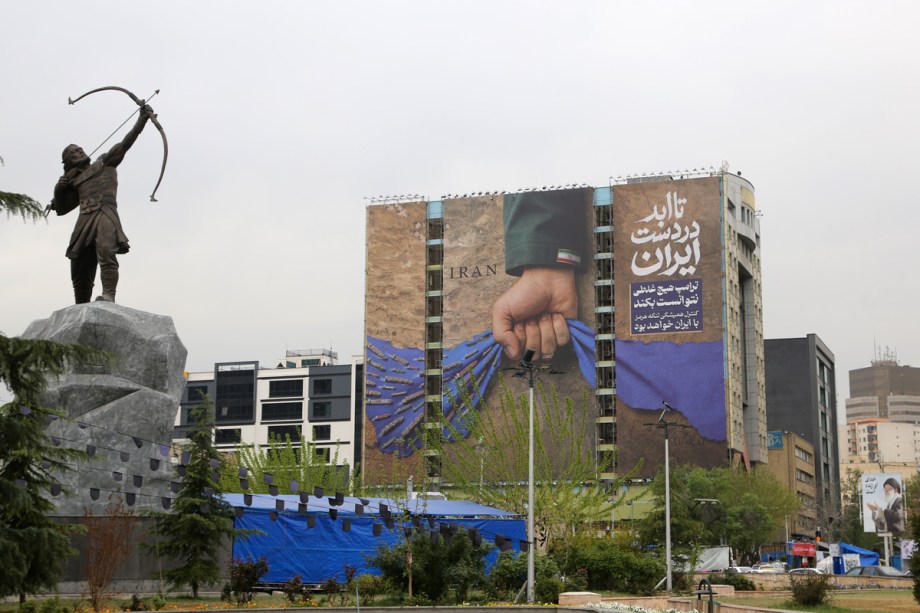
What is Washington actually offering?
When US officials speak of sanctions waivers, oil revenues, frozen funds or easier trade, much of this is presented as diplomacy. Yet a large part of it is the partial return of what the sanctions architecture has already obstructed: Iran’s access to its own money, its ability to sell oil and its right to conduct ordinary commerce without every bank and insurer fearing secondary penalties. The frozen funds at the centre of these talks have been reported at around $100 billion, much of it from Iranian oil sales. This is how a manufactured concession works: scarcity is created first, and relief from it is then presented as a prize.
The reported 60-day memorandum makes the imbalance visible. Iran would reopen Hormuz, clear mines and enter nuclear negotiations. Washington would ease port and shipping restrictions and issue sanctions waivers for oil sales. But the most valuable American steps — broader sanctions relief and the release of frozen funds — would be negotiated during the window and implemented only as part of a final, verifiable agreement. Iranian moves would be immediate and visible; the decisive American concessions would remain deferred, conditional and reversible. In post-war diplomacy, sequence is not a technical matter. It is power.