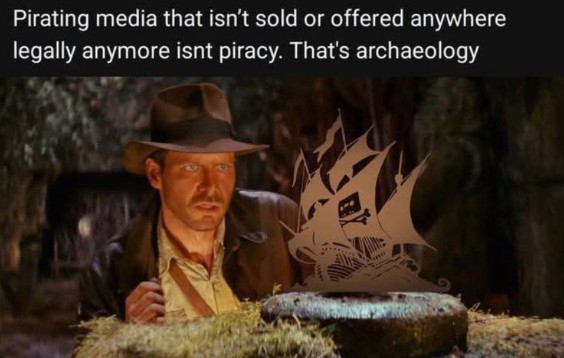
The moment a company ends access to a piece of media, it should almost automatically become public domain. With just a reasonable window of time to bring it back once inaccessible, just in case there are things like downtime, blackouts, or restructuring of services.
Disney decides they will no longer let you rent the original Snow White for a local movie theater in your city, or take it out from their streaming services, or creates an alternate edited version with any significant alteration other than a disclaimer or warning at the start but removes access to the original, and no one else has the rights on lease that gives that access instead, boom, public domain. You no longer have to wait until 2032 to make an exploitative low-budget horror movie version of it.
If they make a remaster of a game, they must keep access to the original. Sell only the remaster; the original becomes public domain for use, not the IP, within reason.
Any associated proprietary technologies, like a physics engine, get a limited lease of use with no cost for the original as it was, excepting modifications to allow it to run on other devices and newer devices.
So it wouldn’t be all of it becomes public domain, but it becomes something usable and maintainable by the public domain.
Remove access to the game and all versions and remasters, and the IP of that game goes fully public domain.

I would go even further, for any media.
The moment a company ends access to a piece of media, it should almost automatically become public domain. With just a reasonable window of time to bring it back once inaccessible, just in case there are things like downtime, blackouts, or restructuring of services.
Disney decides they will no longer let you rent the original Snow White for a local movie theater in your city, or take it out from their streaming services, or creates an alternate edited version with any significant alteration other than a disclaimer or warning at the start but removes access to the original, and no one else has the rights on lease that gives that access instead, boom, public domain. You no longer have to wait until 2032 to make an exploitative low-budget horror movie version of it.
If they make a remaster of a game, they must keep access to the original. Sell only the remaster; the original becomes public domain for use, not the IP, within reason.
Any associated proprietary technologies, like a physics engine, get a limited lease of use with no cost for the original as it was, excepting modifications to allow it to run on other devices and newer devices.
So it wouldn’t be all of it becomes public domain, but it becomes something usable and maintainable by the public domain.
Remove access to the game and all versions and remasters, and the IP of that game goes fully public domain.